



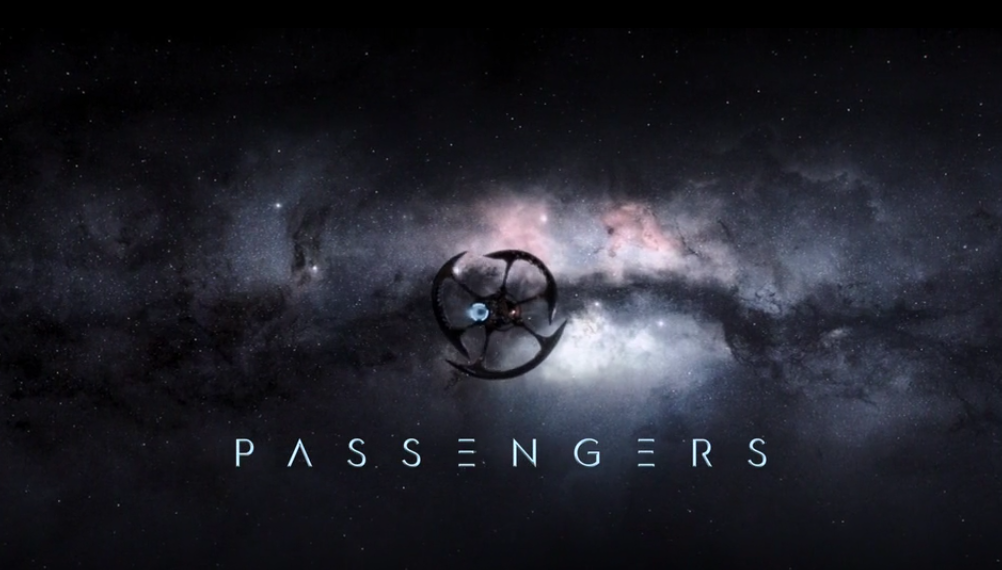
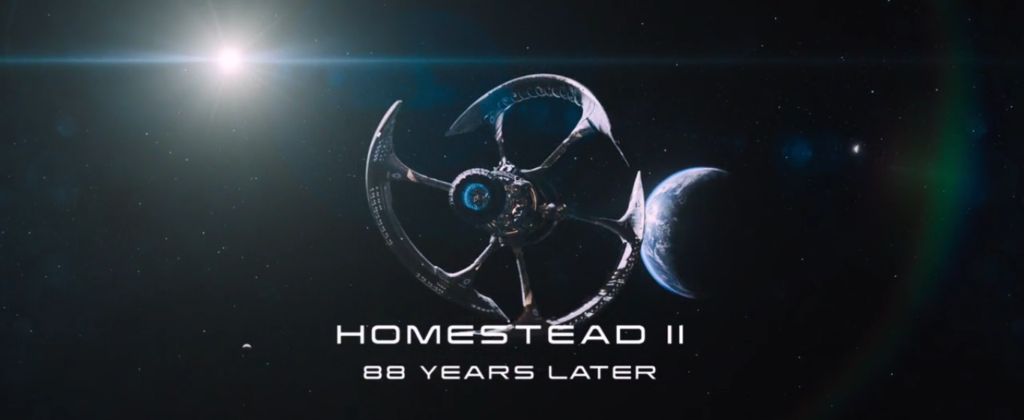
In this science fiction film “Passengers,” directed by Morten Tyldum, the plot unfolds aboard the spaceship Avalon, embarking on a 120-year voyage to the distant planet Homestead II. The vessel carries thousands of hibernating passengers and crew, but a malfunction prematurely awakens Jim Preston (Chris Pratt), an engineer, nearly a century before reaching the destination. He finds himself alone, grappling with solitude and the prospect of spending a lifetime aboard the ship without companionship.

Driven by isolation and longing for human connection, Jim discovers Aurora Lane (Jennifer Lawrence), a talented writer, among the slumbering passengers. Struggling with the moral dilemma of loneliness, Jim deliberates for months before making the fateful decision to awaken Aurora, albeit without revealing the circumstances of her early revival.
As Aurora navigates her new reality, forming a bond with Jim that evolves into a romantic relationship, the film delves into complex themes of morality, companionship, and the consequences of choices made under extreme circumstances. However, tensions escalate when Aurora uncovers the truth about her awakening, leading to profound emotional conflicts and challenges for both characters.
Their burgeoning love story faces significant trials as the Avalon encounters technical malfunctions, jeopardizing the safety of all onboard. The narrative interweaves thrilling sci-fi elements with poignant human drama, exploring the depths of loneliness, the ethical implications of Jim’s actions, and the resilience of the human spirit in the face of adversity.
“Passengers” captivates audiences with its blend of suspenseful space exploration and intimate character dynamics, offering a thought-provoking exploration of moral dilemmas and the enduring power of love and redemption in the vastness of the cosmos.